On this page
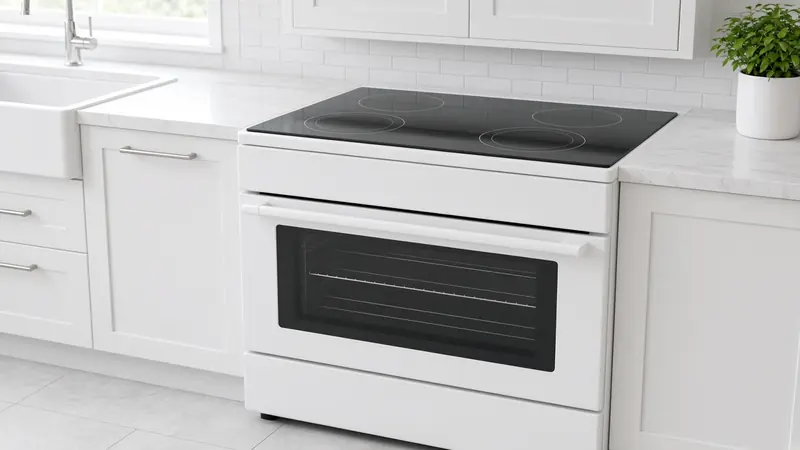
How to clean stainless steel appliances starts by confirming the panel is actually stainless. A white refrigerator, a painted range, and a black glass cooktop are not. The dishwasher front in many kitchens is stainless even when the fridge beside it is not. Read the care page in the appliance manual. Fingerprints and water spots are the usual job. A scratch from an abrasive pad is permanent.

How to clean stainless steel appliances without streaks
How to clean stainless steel appliances without streaks is a damp soft cloth with the grain of the metal, then a dry cloth. Water left to air-dry leaves minerals. A labeled stainless cleaner is optional and only if the manual allows that product. How to clean stainless steel appliances naturally is the same soap-and-water wipe when you skip the polish. Do not spray a vinegar mix onto a finish the manual does not mention. Vinegar can mark some coatings.
How to clean stainless steel appliances with baking soda
How to clean stainless steel appliances with baking soda is a last step for a spot, not the weekly wipe. A pinch of baking soda on a wet cloth can lift a film if the manual does not forbid an abrasive, even a mild one. Rinse and dry. If the manual says the finish is fingerprint-resistant or coated, skip the baking soda. How to clean stainless steel appliances without scratching means no steel wool, no scouring powder, no cooktop razor, and no scrub pad meant for a grill.
How to clean black stainless steel appliances
How to clean black stainless steel appliances is not the bright-stainless routine. Black stainless and fingerprint-resistant coatings mark if you polish them like bare steel. Use only the cloth and the cleaner that finish's manual names. If the page is missing, stop at a damp soft cloth and a dry cloth. Do not test a polish on the door to see what happens.
| Surface | Safe first wipe | Leave it alone |
|---|---|---|
| Bright stainless door | Soft cloth, soap, dry with the grain | Steel wool, bleach, razor |
| Black or coated stainless | The manual's cloth and cleaner | A polish made for bare steel |
| Glass cooktop | The cooktop guide | Stainless polish |
| Oven interior | The oven cleaning guide | Stainless rules do not apply inside |
Identify the finish
Stainless, coated stainless, paint, or glass. The manual's care page decides.
Wipe with the grain and dry
Soft cloth. Dish soap if the manual allows soap. No dripping water left behind.
Use baking soda only on bare stainless the manual does not coat
Rinse it off. Skip it on black stainless.
Send glass and oven soil to those guides
Glass stove top and oven are different surfaces.
Questions readers ask
Why does stainless look streaky after I clean it?
Water dried on the metal. Wipe with the grain using a soft cloth, then dry it. A cleaner the manual does not list can also leave a film.
Can I use baking soda on every stainless appliance?
Only on bare stainless when the manual does not warn against even a mild abrasive. Coated and black stainless should stay on the cloth the manual names.
Will olive oil hide fingerprints?
Oil films attract dust and can go sticky. Dry the surface instead. Use a polish only if the manual names one.
The dishwasher is stainless and the refrigerator is white. Same cleaner?
No. Clean the stainless door with the stainless steps. The painted refrigerator gets the mild wash in its own manual, which is also covered in the refrigerator cleaning guide.