On this page
Unplug the dryer if it heats while the drum is not turning. A dryer not spinning but heating is a fire risk first and a belt question second. Heat without tumbling sits in one place in the clothes. Pull the plug, or switch off the breaker if the cord is hard to reach, and leave it off. Do not start a second cycle. This is the opposite of a dryer that tumbles and stays cold, which is covered in dryer not heating.
What the heat-plus-silence pattern means
A dryer heating but not spinning has a heat source that still works and a drum that does not. On many electric dryers the motor and the heater are fed in a way that lets one fail without the other. A loose drum and a motor that still runs often means a broken belt. You may have heard the motor hum while the drum stood still, or heard a slap as a belt let go. That is a mechanical stop, not a thermostat you should bypass. A thermal fuse is the usual story when there is no heat at all. Replacing one without a reason does not make a stopped drum turn, and this page will not draw the wiring.
Many U.S. electric dryers use a double-pole 240-volt breaker. If one pole opens, the drum can still turn and the heater stays cold. Reset that breaker by moving it fully off, then on, only for that no-heat pattern. If it trips again, call an electrician. A half-open breaker is not this article. If the drum is stopped and the cabinet is hot, unplugging is the first move. Resetting a breaker and walking away leaves the heat risk in place.
Hands on the drum only after the plug is out
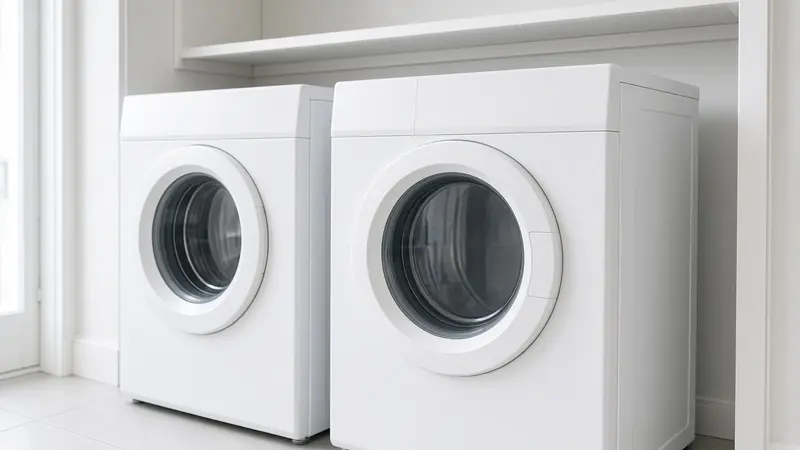
Wait until the door glass and the lint screen area are cool. Then rotate the drum by hand. A free, quiet spin with a loose feel fits a belt that is no longer wrapping the drum. A drum that will not move, or that grinds and stops, may have a seized roller or something jammed. Do not put a bar in the vanes to force it. Gas dryers usually plug into a 120-volt outlet and also have a gas supply. Unplug those too. If a gas dryer was heating, the burner did light, and the hazard is still clothes sitting in heat. Do not adjust the gas valve. Turn the gas supply only if you already know the shutoff for that appliance and the manual tells you to use it. Otherwise leave the gas cock alone and unplug the cord.
Opening the cabinet is only for someone following that model's service manual with the dryer unplugged. Belt, idler, and roller work happens in that book, not from a universal photo. If you are not working from that manual, the hand turn of the drum is the last mechanical check. Whirlpool and LG no-heat pages, Whirlpool dryer not heating and LG dryer not heating, are for cabinets that tumble and stay cold. Do not follow a vent-and-fuse path as if this dryer had no heat.
| What you notice | Likely cause | Safe check |
|---|---|---|
| Cabinet hot, drum not turning | Heat without tumbling | Unplug immediately. Do not restart |
| Motor hummed, drum feels loose by hand | Broken belt is common | Power stays off. Cabinet work only with the service manual |
| Drum will not turn by hand | Seized roller or a jam | Do not force it. Hire a technician |
| Drum turns, heater cold | Different fault, often supply or a fuse after a blocked vent | Use the no-heat guide. This page does not apply |
| Gas smell with a drum that stopped | Burner may have been lit | Unplug, ventilate, do not adjust the gas valve |
| Lint screen packed, cabinet was hot | Fire cofactor, not the reason the drum stopped | Clean the screen only after the dryer is unplugged and cool |
After the plug is out
Unplug the dryer
This is the first instruction. If the dryer heats while the drum is stopped, pull the plug before you open the door, sort the load, or read a code. If you cannot reach the plug, switch the breaker off and leave it off. Do not press Start again.
Let the cabinet cool and remove the load
Scorched fabric and a hot lint screen are reasons to wait. When the opening is cool, take the clothes out so nothing keeps baking in a warm drum. If anything is smoldering, keep the dryer unplugged and deal with the fabric outside. Do not run a cool-down cycle. There is no tumbling to cool the load.
Turn the drum by hand
With the plug still out, rotate the drum. Note whether it moves freely and whether it feels loose. A free, loose drum after a motor that ran is the usual broken-belt picture. Write that down. A drum that binds should be left alone.
Clean lint only when it is safe
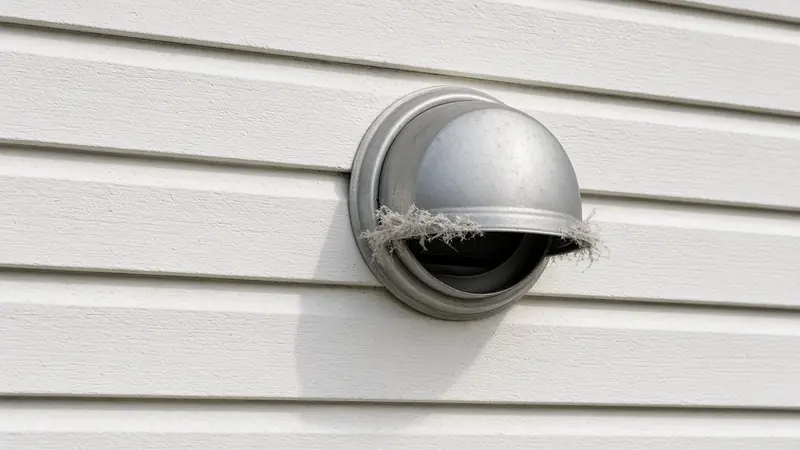
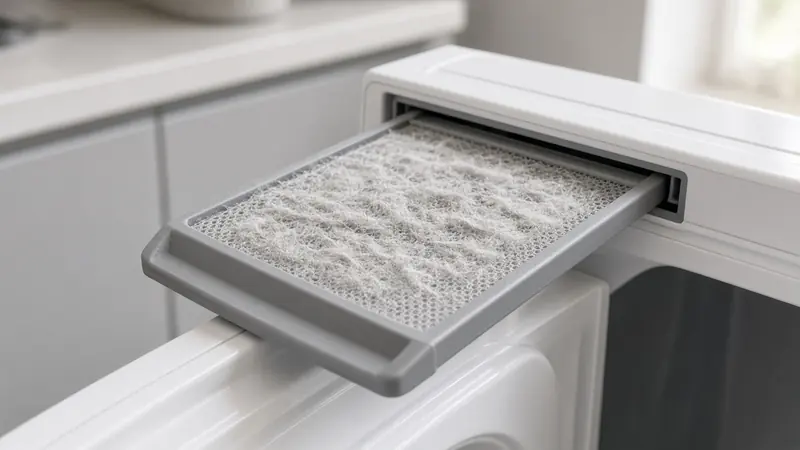
The CPSC says to clean the lint screen every load and keep the duct and outdoor hood clear. Do that after this dryer is unplugged and cool, so the next machine is not full of lint. A blocked vent did not stop this drum, and it does make heat more dangerous. The guidance is at the CPSC clothes dryer page.
Stop unless you have the service manual
Belt and idler access means panels off. That work stays with the service manual for this model number, dryer unplugged the whole time. If you do not have those steps, hire a qualified technician and tell them the drum was free or seized. Do not bypass a switch to force a spin.
Dryer symptoms for other patterns are grouped under dryers. Use the no-heat articles only after you are sure the drum was turning and the heater was the part that failed.
What not to confuse this with
A dryer that tumbles and blows cold air needs the no-heat checks: vent, lint, and on many electric models a 240-volt breaker with one pole open. A dryer that will not start at all, with no heat and no motor, is power or a door switch, still with no bypass. The machine on this page did heat and did not tumble. Keep it unplugged until it is repaired. After the repair, the lint screen goes back clean, and the outdoor hood should move air on the first normal cycle. If heat returns and the drum stalls again, unplug it again and call. A second run is how a belt fault becomes a fire.
Questions readers ask
The dryer is hot and the drum is not moving. What do I do first?
Unplug it. Heat without tumbling is a fire risk, so the first instruction is to remove power before you check the clothes, the lint screen, or the drum. If the plug is blocked, turn the breaker off and leave it off. Do not start another cycle to see if the drum will catch. When the cabinet is cool, you can turn the drum by hand and decide whether it is loose or seized.
Does a loose drum mean the belt broke?
Often, yes, when the motor was still running and the drum now turns freely by hand and feels loose. That is a common belt failure. It can also be the idler that keeps the belt tight. Either way, opening the cabinet is only for someone following that model's service manual with the dryer unplugged. If you do not have that manual, leave it unplugged and hire a technician.
Should I reset the breaker if the drum will not spin?
Not as the fix for heat with no tumble. On many electric dryers a half-open 240-volt breaker lets the drum turn while the heater stays cold, which is the opposite symptom. Reset fully off, then on, only belongs to that no-heat case, and a breaker that trips again needs an electrician. If this dryer was heating and not spinning, unplug it and keep it unplugged.
The lint screen was full. Did that stop the drum?
A packed lint screen and a blocked duct are a fire hazard, and the CPSC wants the screen cleaned every load and the outdoor hood kept clear. They do not wrap a belt or turn a drum. Clean the screen after the dryer is unplugged and cool so the next cycle is safer. The spin failure still needs a belt, roller, or motor diagnosis with the service manual or a technician.
It is a gas dryer and it got hot without spinning. Do I touch the gas valve?
Unplug the dryer first. Do not adjust the gas valve. Heat means the burner was able to light, and the danger is fabric sitting in that heat. Ventilate if you smell gas, and do not relight anything. A technician can handle the burner and the drive together. Your homeowner check ends at an unplugged machine and a note about whether the drum turns by hand.